Trending

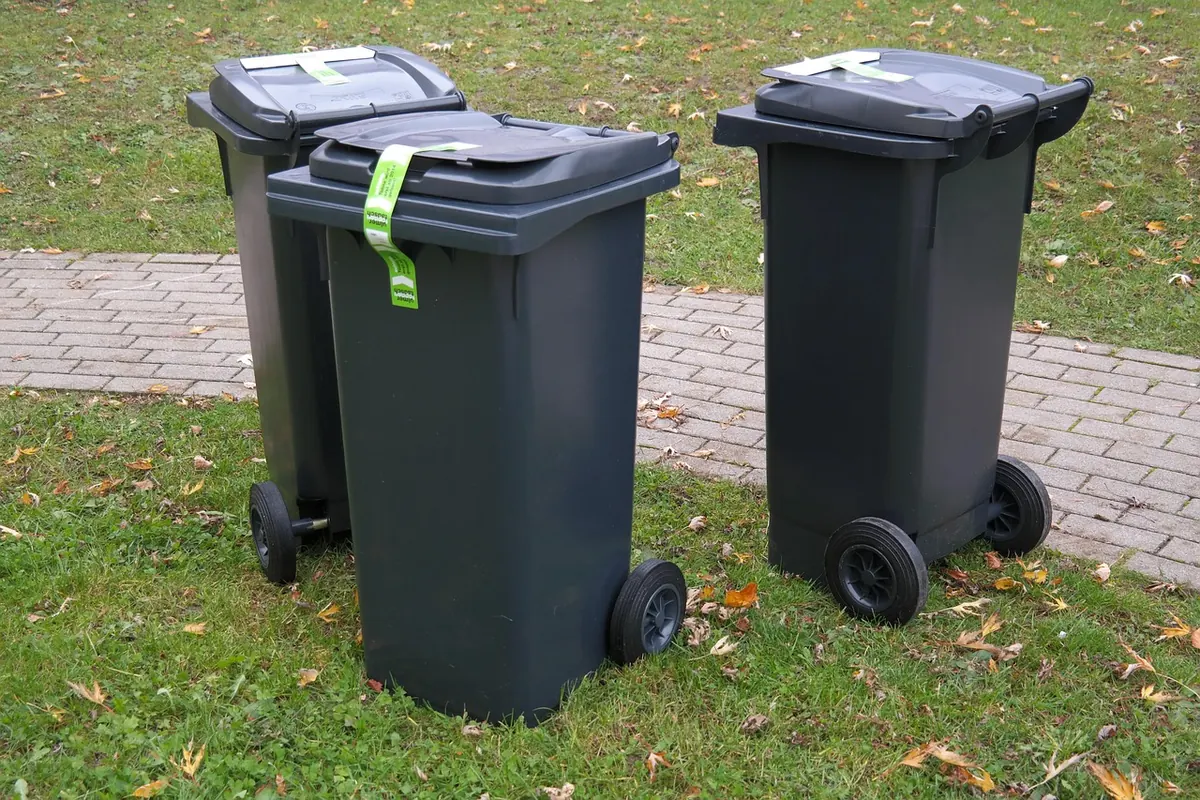
Bin day has a way of sneaking up. You hear the truck on the next street, glance out of the window, and remember the recycling is still sitting in the kitchen. Most of the confusion isn't laziness — it's that every container has its own rules, and those rules shift with bank holidays and bad weather. Here's how collections actually work, what belongs where, and what to do when something goes wrong.
Collection days are assigned by address, not by street or postcode alone. Two houses on opposite sides of the same road can sit on different rounds, which is why asking a neighbour is useful but not conclusive. The only reliable check is your council's bin day look-up, where you enter your postcode and house number and get the day plus a link to the full calendar.
Two things move collections more than anything else: bank holidays and severe weather. When a bank holiday falls at the start of the week, most rounds shift forward by a day for that week only, then return to normal. Christmas and New Year cause the biggest reshuffle of the year, and some authorities suspend garden waste collections over the winter months because there is so little of it. Snow, ice and flooding can stop rounds altogether; crews usually catch up over the following weekend, but not always.
A recurring reminder on your phone for the evening before is more dependable than memory. If you want to track the seasonal changes, photograph the printed calendar that comes through the door and keep it in your photos app — it takes ten seconds and saves a lot of squinting at small print later.
This is the bin for things that genuinely cannot be recycled: bagged general rubbish, nappies, polystyrene, cat litter, used tissues, broken crockery wrapped in newspaper so it doesn't cut anyone. Keep it reasonably light — bins with cracked wheels or split bases usually fail because they were packed with rubble or wet garden waste, not because they were full.
General waste is the most expensive stream for a council to deal with, which is why crews and sorting staff look closely at what's inside. Getting recyclables out of this bin is the single easiest way to reduce the volume your household sends to disposal.
Clean, dry and loose. Those three words cover most of it.
Do not put recycling inside bin bags. Sorting facilities treat a sealed bag as contamination and often send the whole load to disposal, which wastes everyone's effort. If you use a liner, use a clear one only where it's permitted.
Grass cuttings, hedge trimmings, leaves, dead plants and small branches belong here, along with cooked and uncooked food where the service includes it. Soil, rubble, plant pots and treated timber do not. Liner rules catch people out constantly: plastic bags are never acceptable, and so-called compostable or biodegradable bags are only allowed if your council specifically accepts them, because many processing plants can't break them down in the time available.
Where glass is collected separately, keep colours apart if that's what's asked. Mirrors, Pyrex, drinking glasses and window panes are not container glass — they're made to withstand heat and won't melt at the same temperature, so they contaminate a whole load. Take those to a household waste recycling centre instead.
A short list of items causes most of the real trouble: fires in collection trucks, injuries to crews, and whole loads rejected at the depot.
The first item matters most. Lithium batteries — in vapes, phones, laptops and e-scooters — can ignite when crushed in the back of a truck. Take them to a shop with a battery collection point or to the recycling centre. It costs nothing and takes five minutes.
Sofas, mattresses, wardrobes, fridges and treadmills need a booked bulky collection, and there's normally a fee. Book it online, put the item out on the date you're given and nowhere earlier. Leaving a sofa on the pavement for a week isn't a collection — it's fly-tipping, and householders can be penalised for waste that's traced back to them.
Before you book, check whether it can be reused. Charity furniture schemes, local freecycle groups and some retailers' appliance take-back services on delivery day all handle items that a skip would otherwise swallow. Fridges and freezers need to be empty and defrosted before collection. And remember that waste from building work — tiles, plasterboard, old kitchen units — usually isn't household waste, so it won't be collected from the kerbside at all.
The evening before, do a quick lap: recycling loose, not bagged; food waste in its caddy; general waste bagged and not overweight; lids shut properly. Then check your phone reminder or the council calendar once, especially in the weeks after a bank holiday or a cold snap.
If something on the never-list has crept into a bin — a battery in the general waste, a paint tin in the recycling — fish it out before the truck arrives. A minute now saves a rejected load, a missed collection report and a phone call later. If you're unsure about a specific item, your council's A–Z waste search answers most questions in seconds, and a call to the waste team is worth it for anything unusual, messy or potentially hazardous.
Photo: Hans / Pixabay