Trending

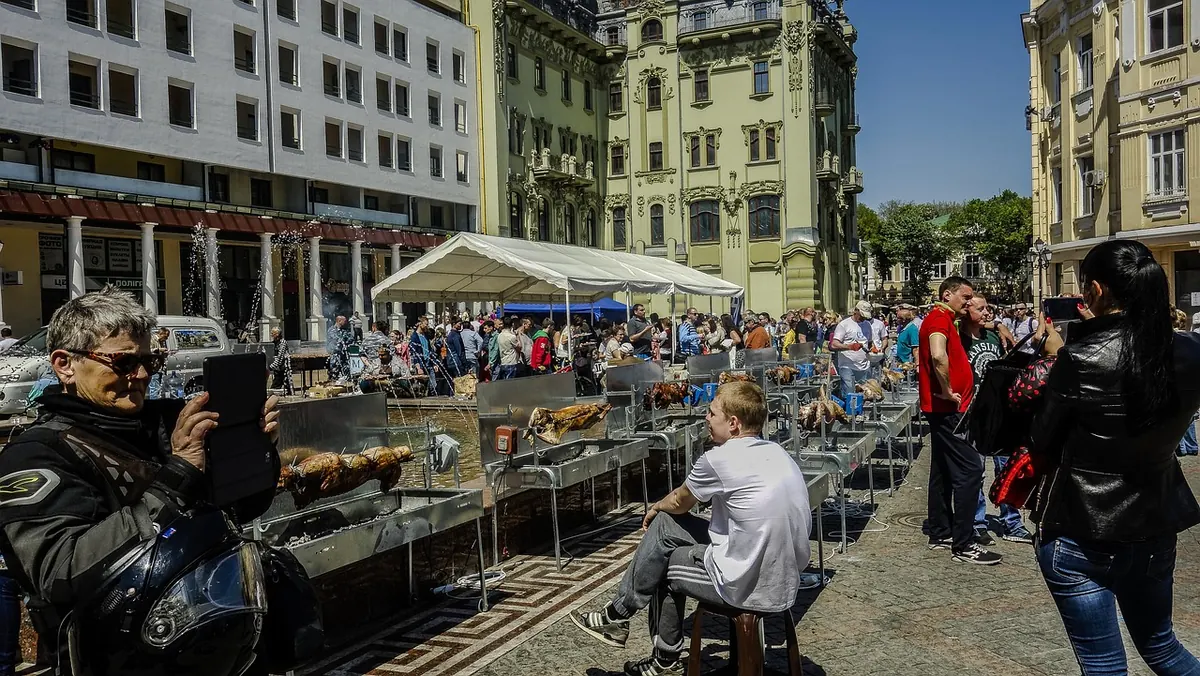
Two days, dozens of stalls, and a queue for the dumplings that never seems to get any shorter. Dale Quarter's Summer Food Festival has become the sort of weekend people plan their July around, which is exactly why the tickets move quickly. If you would rather be inside the gate than reading about it on Monday, the booking window matters as much as your appetite. Here is how the tickets work, when to buy them, and what you actually get once you are through.
Festival tickets rarely appear all at once. They arrive in phases, and each phase has its own price and its own stock. The pattern is usually predictable: an early-bird release for people on the mailing list, a general release a week or two later, and a final release closer to the event if anything is left. By the time posters go up around the Quarter, the cheapest tier has often gone.
So do the unglamorous work now. Join the festival mailing list and the Quarter's events newsletter, because that is where release times are confirmed first. Turn on notifications for the festival's social accounts. Put a reminder in your phone for the morning tickets are expected to go live, not the afternoon. If you are buying for a group, agree on numbers in advance; nothing slows a checkout like a five-way group chat at 9.58am.
There are three things worth understanding about festival pricing, and none of them require you to memorise figures. Those change from year to year and are always listed on the official ticket page.
Cheapest, limited, and usually sold in a single batch. If you know you are going, this is the tier to aim for. It often goes within hours of opening.
A standard day ticket covers one day. A weekend pass covers both and normally works out cheaper than buying two separate days. If you are travelling in from outside the Quarter, or you want to catch headline demos on both days, the weekend pass is usually the sensible buy. If you are local and only free on the Saturday, do not pay for a weekend you will not use.
Family tickets are typically built for two adults and two or three children, and they are the tier that disappears first on a Saturday. Check what age counts as a child, and whether very young children need a ticket at all. Many festivals let under-fives in free, but you still need to book them a place.
If you are buying for a bigger group, price it both ways: four family tickets against eight adult and eight child tickets. The answer is not always obvious, and it can differ by a fair margin.
This is where expectations matter. A festival ticket buys you entry and the programme, not an all-you-can-eat pass.
What is typically not included: food and drink from the vendors, ticketed workshops and guided tastings, cookery classes, and anything marked as a separate booking. Budget for spending inside, because most people do. Many festivals now run a cashless token or wristband system, so check the rules before you arrive rather than queueing twice.
Do not panic-buy from strangers. Unofficial resale is where people get burned: duplicated barcodes, tickets in someone else's name, prices far above face value. Check the official ticket page first. Many festivals run a genuine waiting list or an official resale scheme where returned tickets go back into the pool at face value. If a waiting list exists, join it early; returns tend to appear in the last fortnight as plans change. Keep an eye on the Sunday as well, which is often the last day to sell out and the easiest to find a spare for.
If you have children in tow, a sold-out Saturday is not the end of it. The site is usually quieter in the first hour and again after the lunch rush, so arriving at opening or after two o'clock gives you a calmer run at the stalls whichever day you end up with.
Tickets for the Summer Food Festival reward preparation over enthusiasm. Join the mailing list today, set a reminder for release morning, decide your group and your budget beforehand, and buy in the first hour rather than the first week. Then you can spend the summer arguing about which stall to visit first instead of hunting for a ticket.
Photo: reksik004 / Pixabay